Community Engagement: Insights from the 2025 Carnegie Reclassification Process
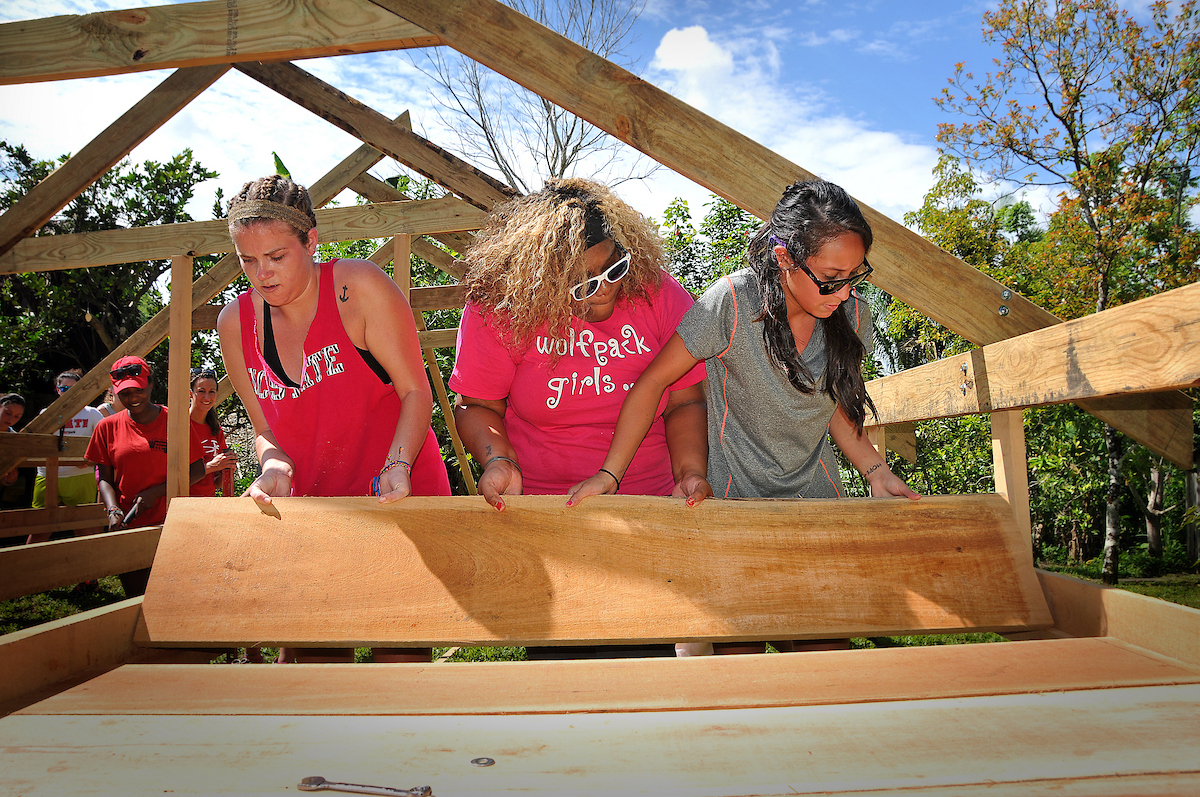
NC State has been awarded the prestigious Carnegie Community Engagement Reclassification in recognition of our long-standing institutional commitment to fostering mutually beneficial partnerships with our local, regional and global communities.
Developing and nurturing meaningful collaborations through community-engaged scholarship is a central tenet of NC State’s mission, vision and values as a land-grant university. Our reclassification is a testament to the deep and sustained impact of our collective efforts – of faculty, staff, students, community and industry partners – on the well-being and resiliency of our communities.
What have we learned from this rigorous self-study?
To receive reclassification, the university undertook an extensive self-study documenting our community engagement work. The final application highlighted our strengths – including award-winning initiatives spanning the entirety of our state – while clarifying ways in which we can deepen our impact.
Together, we can ensure that NC State is setting the standard for community engagement in the 21st century land-grant university.
I am particularly pleased to report that we found community engagement is pervasive at NC State. We convened a task force of 30 individuals who provided information for our application. The final version of our application featured the accomplishments of nearly 50 different departments from a wide spectrum of disciplines and administrative roles. Throughout this spring, Outreach & Engagement will celebrate these programs in a series of news and social media posts.
Below, I outline four key insights from the Carnegie self-study. I invite the campus community to join me in this work of growing reciprocal partnerships with our communities.
Expand professional development for community-engaged scholars
NC State is an institutional member of several networks of community-engaged institutions that provide our employees and students access to professional development, funding, networking and other opportunities. Unfortunately, many campus colleagues are unaware of these benefits.
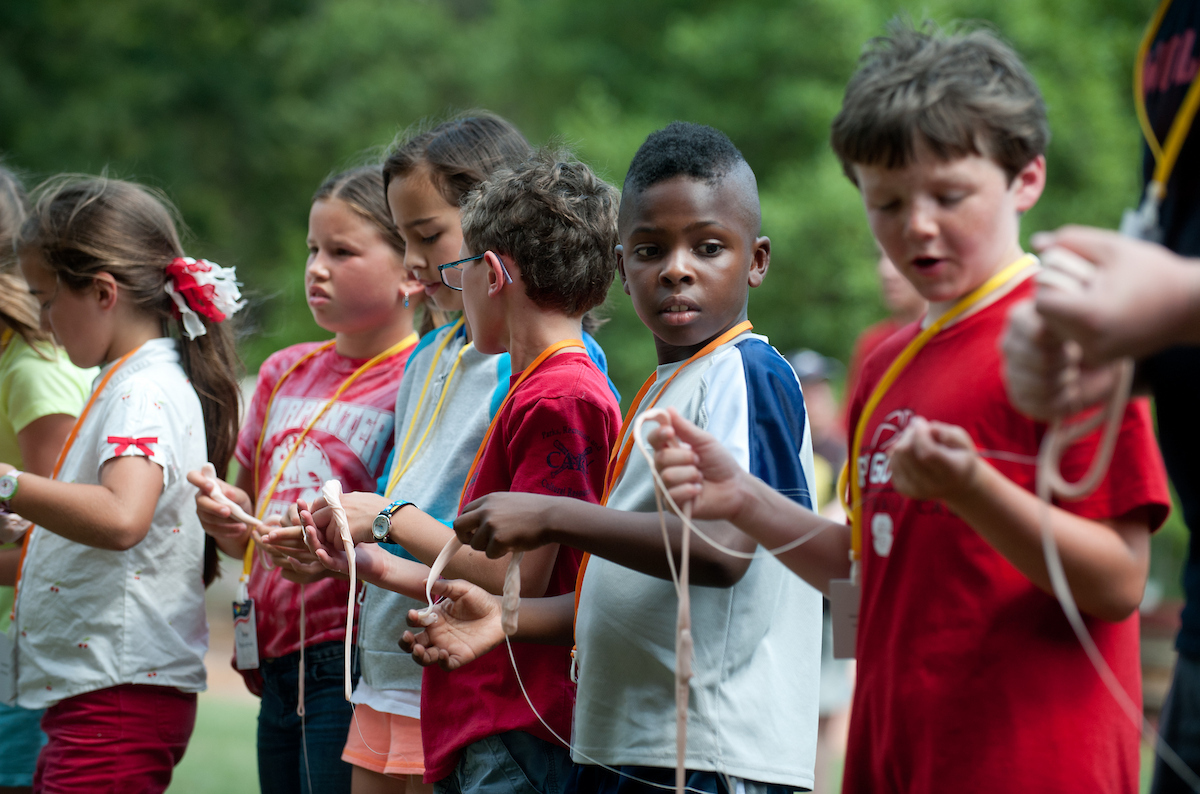
Going forward, Outreach & Engagement will work to educate the campus about the benefits of these institutional memberships, highlighting professional development and recognition opportunities across our communication channels. We can depend on these institutional benefits while we build capacity and networks for more internal workshops and cohort experiences focused on community engagement skills.
Our partnership with the Office for Faculty Excellence (OFE) will clarify the capacities, priorities and needs around community engaged scholarship as we support faculty and staff development. I am particularly interested to work with OFE on how we can ensure new faculty are empowered to integrate community engagement in their teaching and research.
Increase university-wide awareness of community engagement
When we reached out to nearly every corner of the university during the reclassification process, we discovered an astonishing variety of ways the Wolfpack works with our community partners across the state. I believe this diversity of approaches to engagement had a significant impact on our successful reclassification.
The Carnegie Reclassification demonstrates that we have a large impact on our communities. We also are surrounded by fellow Wolfpack members who want to do even more.
Such a broad scope of activities, however, can be difficult to reconcile as a cohesive effort. So much of our work in community engagement involves communication, from developing relationships and storytelling to clarifying policy and encouraging best practices. To that end, I am delighted to share that our office recently welcomed a communications specialist to help with this important work.
A stronger shared understanding of how community engagement enriches and informs teaching and scholarship is also crucial to our work. We have partnered with OFE to develop and disseminate best practices for documenting and evaluating community-engaged scholarship and teaching activities in faculty promotion and tenure.
Examine the designation process for community-engaged courses
For its assessment of our curricular engagement, Carnegie requires data from courses that have been designated as community-engaged through an official designation process. At NC State, those courses have historically been classified as service learning; in recent years, however, fewer and fewer courses are receiving the service learning designation.

This downward trend is accompanied by a notable increase in student internships and the emphasis on High Impact Experiences (HIE) across campus. HIE allow students to connect academic work with real-world applications while developing career-relevant skills essential to the modern workforce. Our office, therefore, needs to better understand how HIE can be leveraged to maximize reciprocal community engagement.
Improve impact metric tracking and analysis
Genuine community engagement takes time – years, sometimes, or even decades – to come to fruition. To tell the story of our work comprehensively requires both dedicated communications support and solid data.
We launched a pilot of the database product Collaboratory in 2022 to help track campus community engagement activities. While the data we collected is valuable, in the future we hope to make better use of the university’s existing systems and data. We have already begun the process of identifying a new approach for tracking community engagement impact metrics and will have it in place well in advance of our next Carnegie reclassification cycle.
I’m delighted to share that our office was recently awarded a 2025-2026 Local Engagement Seed Grant by the Global One Health Academy to investigate metrics used by their faculty in assessing the impact of community engagement initiatives. The information gained from this grant work will inform our data collection scope and decisions around tracking metrics in the future.
Delivering on our Land-Grant Mission
NC State is committed to honoring our public promise of being of and for the public. Listening carefully to community needs, sharing knowledge freely and holding ourselves accountable are essential parts of this work.
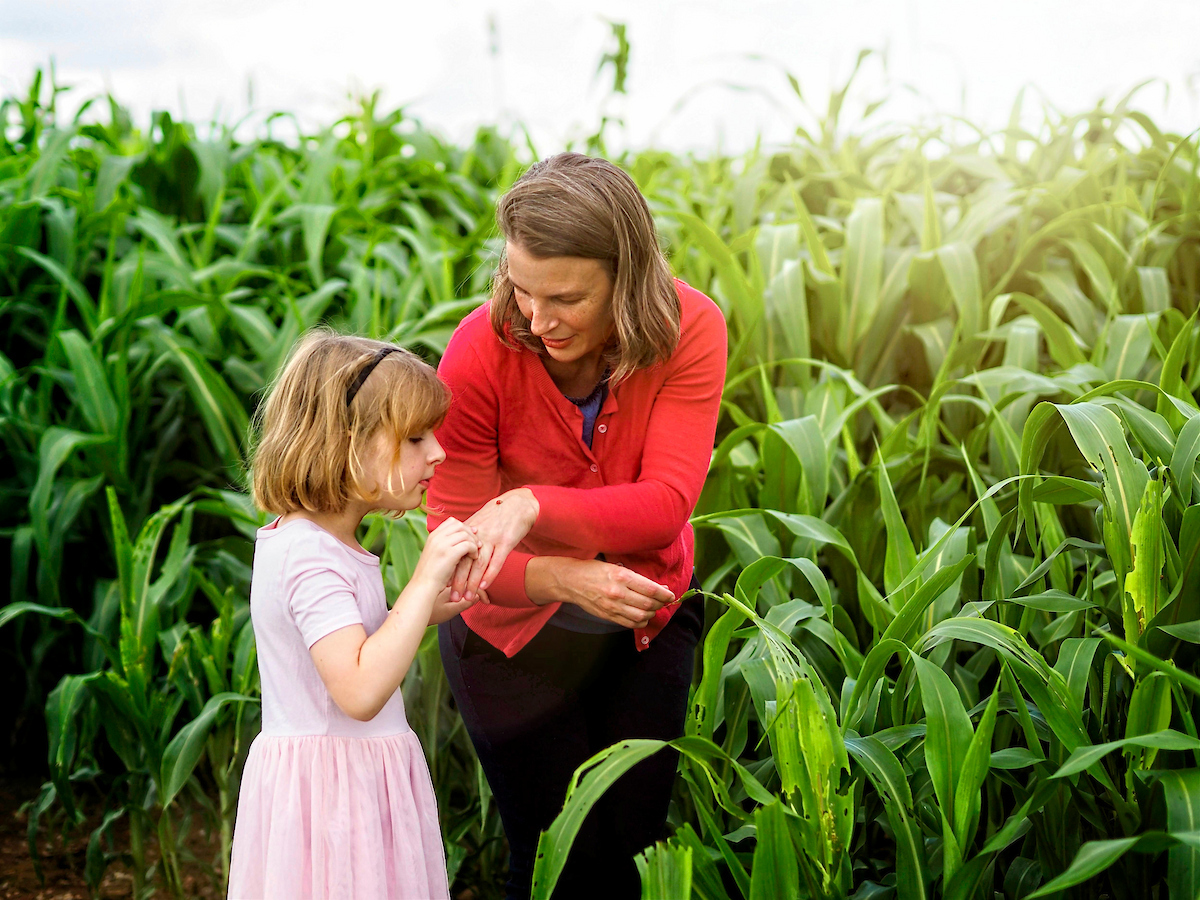
By aligning university practices with community benefit, we will position all of our partners as co-educators, co-learners and co-generators of knowledge to contribute to thriving communities across our state. In addition to the lessons learned from the Carnegie project, we will be partnering with various campus units in the coming months to:
- Incorporate community engagement into strategic planning and syllabus development across campus
- Elevate virtual and intercultural best practices for increased for state-wide engagement
- Ensure increased access to community engaged courses and research support
- Clarify promotion and tenure best practices for documenting community-engaged scholarship
I am enormously proud of the work our team has done to secure the Carnegie reclassification, and thankful to our many colleagues across campus who supported this effort with their time and resources. I look forward to robust conversations around these topics with campus and community colleagues in the coming months.
Together, we can ensure that NC State is setting the standard for community engagement in the 21st century land-grant university.

David Monks
Vice Provost, Outreach and Engagement
Associate Dean and Director, NC State Extension
College of Agriculture and Life Sciences
- Categories: